

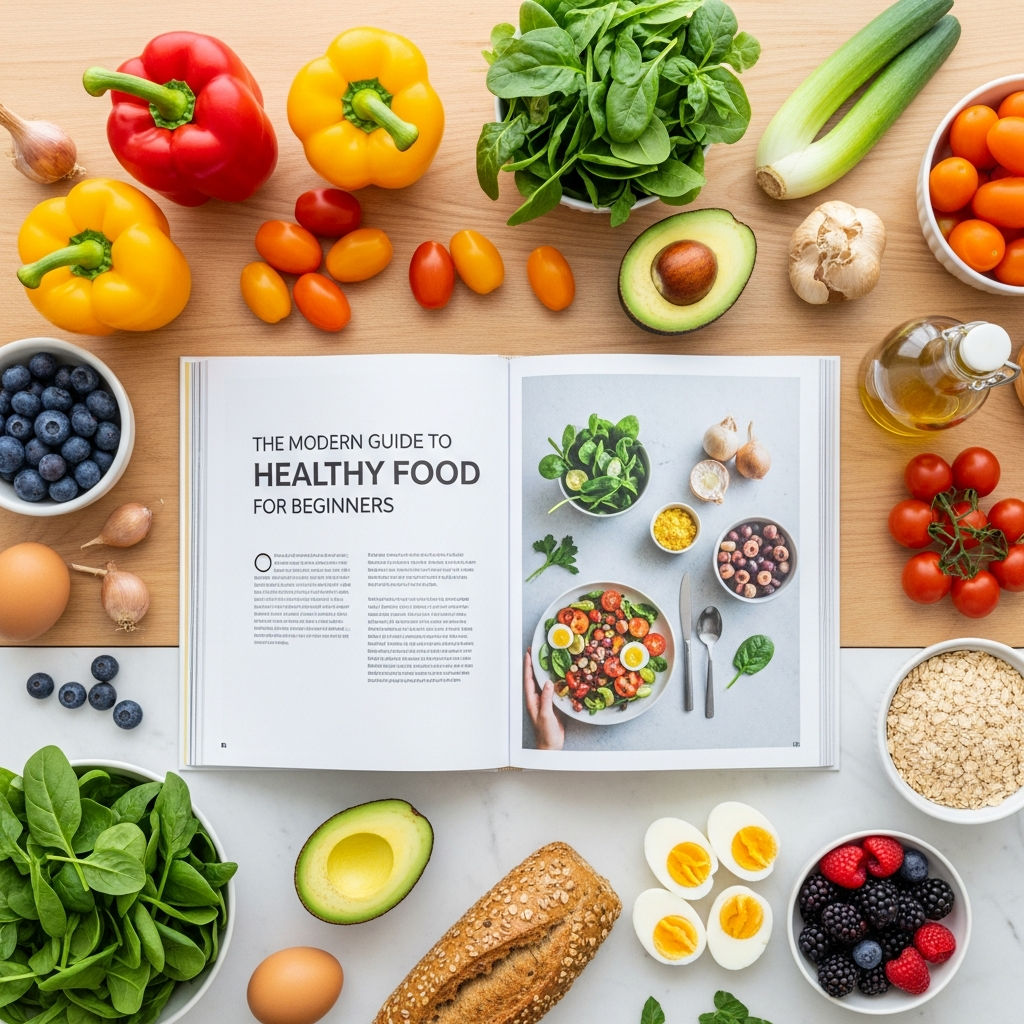
The Modern Guide to Healthy Food for Beginners: Simple Steps to a Better Life
In an era of conflicting diet trends, “superfoods,” and complex nutritional labels, starting a journey toward healthy eating can feel overwhelming. However, the modern approach to healthy food isn’t about restriction or fad diets; it’s about sustainable habits, nutrient density, and finding a balance that works for your unique body. This guide is designed to strip away the confusion and provide a clear, actionable roadmap for beginners.
What Does “Healthy Food” Actually Mean Today?
Traditionally, healthy eating was often equated with low-calorie or low-fat diets. Modern nutrition science has shifted the focus. Today, we understand that “healthy” is synonymous with “nourishing.” Instead of focusing solely on what to remove from your plate, the modern guide focuses on what to add.
The core philosophy of modern healthy eating revolves around whole foods. These are foods that are as close to their natural state as possible, with minimal processing. Think of an apple versus apple-flavored fruit snacks. By choosing whole foods, you naturally reduce your intake of added sugars, excessive sodium, and synthetic additives while maximizing your intake of vitamins, minerals, and fiber.
The Building Blocks: Understanding Macronutrients
To eat healthily, you don’t need to be a chemist, but understanding the three primary macronutrients will help you build a balanced plate. Every meal should ideally contain a combination of the following:
1. Complex Carbohydrates
Carbohydrates are your body’s primary energy source. The key is to choose “complex” carbs over “simple” ones. Complex carbs contain fiber, which slows digestion and provides a steady stream of energy.
- Quinoa, brown rice, and farro.
- Sweet potatoes and squash.
- Oats and whole-grain bread.
- Legumes like lentils and chickpeas.
2. Lean and Diverse Proteins
Protein is essential for muscle repair, immune function, and keeping you feeling full (satiety). A modern approach encourages a mix of animal and plant-based proteins.
- Chicken breast, turkey, and lean cuts of beef.
- Fatty fish like salmon (rich in Omega-3s).
- Eggs and Greek yogurt.
- Plant-based options: Tofu, tempeh, and edamame.
3. Healthy Fats
For decades, fat was vilified. We now know that healthy fats are crucial for brain health, hormone production, and the absorption of vitamins A, D, E, and K.
- Avocados and olives.
- Nuts (walnuts, almonds) and seeds (chia, flax, pumpkin).
- Extra virgin olive oil and avocado oil.
The “Modern” Twist: Beyond the Nutrition Label
Healthy eating in the 21st century goes beyond just the ratio of carbs, proteins, and fats. It incorporates how we interact with food and how food affects our internal ecosystems.
Focus on Gut Health
The “microbiome”—the trillions of bacteria living in your digestive tract—plays a massive role in your mood, immunity, and weight management. A modern healthy diet includes fermented foods like kimchi, sauerkraut, kefir, and kombucha to feed these beneficial bacteria.
Mindful Eating
How you eat is almost as important as what you eat. Modern guides emphasize mindful eating: slowing down, chewing thoroughly, and listening to your body’s hunger and fullness cues. This prevents overeating and improves digestion.
The 80/20 Rule
Perfection is the enemy of progress. The 80/20 rule suggests that if you eat nutrient-dense, whole foods 80% of the time, you can enjoy your favorite treats the other 20% of the time without guilt. This creates a sustainable lifestyle rather than a temporary “fix.”
Practical Strategies for Beginners
Knowing what to eat is one thing; actually doing it is another. Here are practical steps to transition into a healthy lifestyle without burning out.

Master the Grocery Store
The layout of most grocery stores is designed to tempt you with processed foods. A classic tip that still holds true is to shop the perimeter. The outer aisles usually contain the fresh produce, meat, and dairy. The inner aisles are where the highly processed, shelf-stable items live. When you do go into the middle aisles, read labels and look for short ingredient lists.
Start With “Smart Swaps”
You don’t have to overhaul your entire pantry overnight. Start with simple replacements:
- Swap white rice for cauliflower rice or quinoa.
- Swap soda for sparkling water with a squeeze of lime.
- Swap sugary cereal for overnight oats with berries.
- Swap sour cream for plain Greek yogurt.
Meal Prepping Without the Stress
You don’t need to spend eight hours every Sunday in the kitchen. Modern meal prepping is about “component prepping.” Cook a large batch of one grain (like rice), one protein (like roasted chicken), and a variety of roasted vegetables. During the week, you can mix and match these components with different sauces to create varied meals in minutes.
Hydration: The Unsung Hero of Nutrition
Many people mistake thirst for hunger. Staying hydrated is essential for metabolism, skin health, and energy levels. While the “eight glasses a day” rule is a good baseline, your needs may vary based on your activity level. Aim for water as your primary beverage, and supplement with herbal teas or infused water if you find plain water boring.
Overcoming Common Hurdles
Even with the best intentions, beginners often face obstacles. Here is how to navigate them:
Eating Healthy on a Budget
Healthy food doesn’t have to be expensive. Buying in bulk (grains, beans), choosing frozen vegetables (which are often more nutrient-dense than “fresh” produce that has traveled for weeks), and eating seasonally can significantly lower your grocery bill.
Social Situations
Eating out or attending parties can be tricky. A modern strategy is to look at the menu beforehand or offer to bring a healthy side dish to a gathering. Remember, one indulgent meal won’t ruin your progress; it’s what you do consistently that matters.
Lack of Time
If you’re busy, lean on high-quality shortcuts. Pre-washed salad greens, rotisserie chickens, and frozen stir-fry mixes are “processed” in a way that saves time without sacrificing much nutritional value.
Conclusion: Your Journey Starts Today
The modern guide to healthy food for beginners isn’t about achieving a “perfect” body; it’s about honoring your body with the fuel it deserves. By focusing on whole foods, understanding your macronutrients, and practicing the 80/20 rule, you create a foundation for lifelong wellness.
Start small. Choose one new healthy habit this week—perhaps it’s adding a serving of greens to your lunch or swapping your afternoon cookie for a handful of almonds. These small, incremental changes are the secret to a long-term, healthy relationship with food. Your future self will thank you.